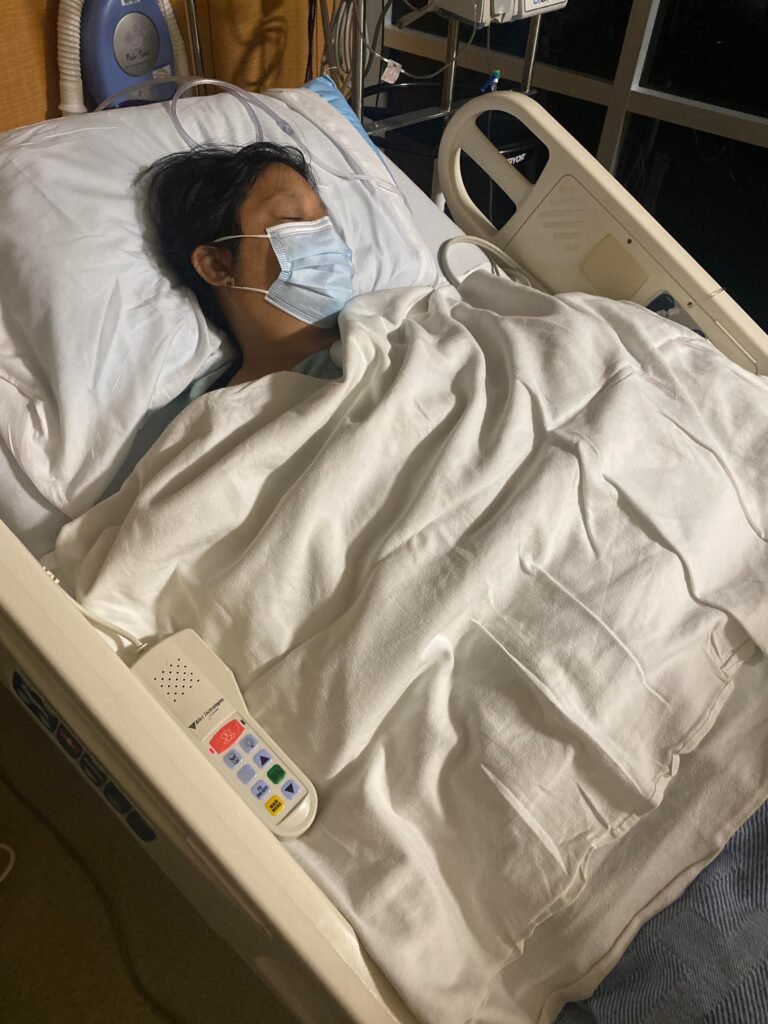

In July/19/ 2022, I had a complete robotic hysterectomy. I had stage one uterine cancer. I am now in remission. You can watch my video and my experience.
Robotic hysterectomy can be a good choice for many people — but whether it’s the best choice for you depends on your medical condition, goals, and your surgeon’s experience.
👍 Possible Advantages
1. Smaller Incisions & Less Pain
- Because the robot uses small incisions, you often have less postoperative pain and smaller scars compared with traditional open surgery.
2. Less Blood Loss
- Robotic surgery is generally associated with reduced blood loss during the operation versus open procedures.
3. Shorter Hospital Stay & Faster Recovery
- Recovery time is usually faster than open hysterectomy – many people go home sooner and return to normal activities more quickly.
4. Better Visualization and Precision
- The robotic system gives surgeons a magnified, 3D view and wristed instruments that can be more precise than standard laparoscopy. This may help in complex cases (e.g., large fibroids, obesity, dense scar tissue).
5. Lower Risk of Some Complications
- For specific situations, robotic approaches have been shown to have fewer complications and lower conversion rates to open surgery compared to traditional laparoscopic or open methods.
🧠 Important Considerations
- Your condition matters: Robotic surgery may be especially beneficial in complex cases (e.g., significant scar tissue, obesity, large fibroids, endometriosis) but might offer marginal benefit over laparoscopy in simpler cases.
- Surgeon experience counts: Outcomes often depend more on the surgeon’s skill with their chosen technique than on the robot itself.
- Cancer scenarios vary: For certain cancers (like early-stage cervical cancer), some minimally invasive approaches (laparoscopic or robotic) have been linked in older research with worse long-term survival vs open surgery — though that’s debated and varies by situation and surgical team.
📌 Bottom Line
Robotic hysterectomy can be an excellent choice, especially if you’re a candidate for minimally invasive surgery and want:
- Less pain
- Smaller scars
- Shorter hospital stay
- Faster recovery
- Precision in difficult surgical situations
However, it isn’t always superior to other minimally invasive methods (like conventional laparoscopy), and it’s not usually the best choice for every person. Your health condition, surgeon recommendation, and personal preferences should guide the decision.
As for me, this has been the best decision for my health.
Surgery time and recovery after…
I just had a total hysterectomy and prolapse repair surgery at the same time. It’s not like I didn’t post; I had so many things to do before my surgery and to get all the supplies I needed after surgery. I had stage one endometrial cancer. Everything went well, and I am recovering well and resting. Thanks for following and subscribing to my YouTube channel. I appreciate all your prayers as well. Much love and more videos to come.
